How it started.
My interest in WhatsApp-based products began with a university project exploring how accessible technology could help young people find work. Researching what else could be built there led me to startups across Africa that I hadn't known existed.
I began keeping a list of them, and started speaking to the founders about why they chose chat, what it made easier, and where it created new challenges. That list eventually became The Chat Store.
I was also transitioning from social media marketing into product marketing and wanted a project of my own to experiment with. So I bought the domain and started building.
Decision 01
Start small and see what happens.
I initially imagined The Chat Store as a directory for consumers to find useful tools for work and life inside the apps they already use every day.
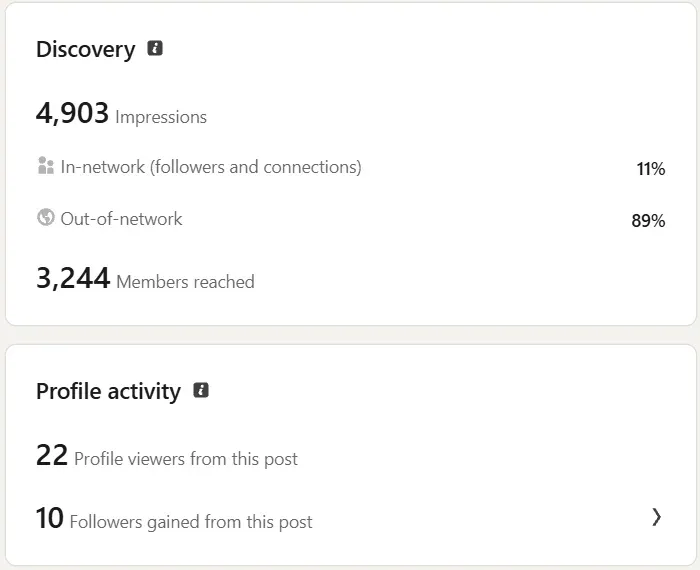
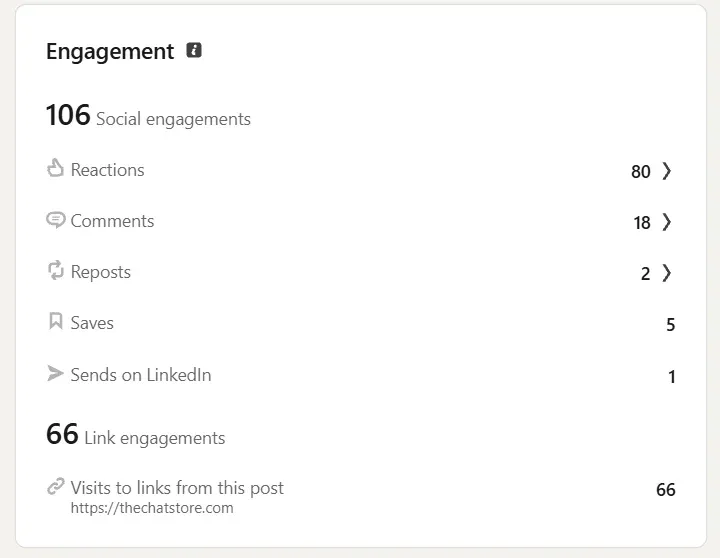
I didn't want to overthink it, so I built a simple MVP: a landing page with 50-something product listings, and launched it through a LinkedIn post.
People visited, but most left without doing much. Looking back, there wasn't much for them to do on the website.
But something else caught my attention: founders were engaging with the post, claiming existing listings, and submitting new products.
Decision 02
Prioritize the people I actually want to reach.
I was most interested in getting closer to founders. I wanted to understand their products, learn about the decisions behind them, and build relationships with people operating in this emerging category.
So I decided to make founders my primary audience.
This wasn't a pivot backed by months of research. It was partly informed by the initial response, and partly by what I wanted the project to become. The directory still helps anyone discover chat-native products, but I started building an editorial side to make it more useful to founders.
Decision 03
Let the audience decision shape the product.
I expanded the listings to include founder details, pricing, funding, similar products, and related articles, and built ways for founders to submit products, claim existing listings, and verify their involvement.
Alongside the directory, I built the publication, with four editorial formats: Founder Stories, Analysis, Guides, and News.
The idea is that someone can discover a product, understand what it does, read about the decisions behind it, and explore other products in the same space.
I also introduced tracking for listing views and outbound clicks to start learning how people use the directory.
Decision 04
Original content over more AI-generated content.
I could use AI to publish a lot of articles about chat-native products. But AI can only do so much with what already exists online about this space, which isn't much. And that's part of why I'm building The Chat Store in the first place.
So I decided to start with conversations with founders and turn those interviews into stories. It's made the editorial launch much slower than I'd hoped. Getting founders on calls is an art form at this point.
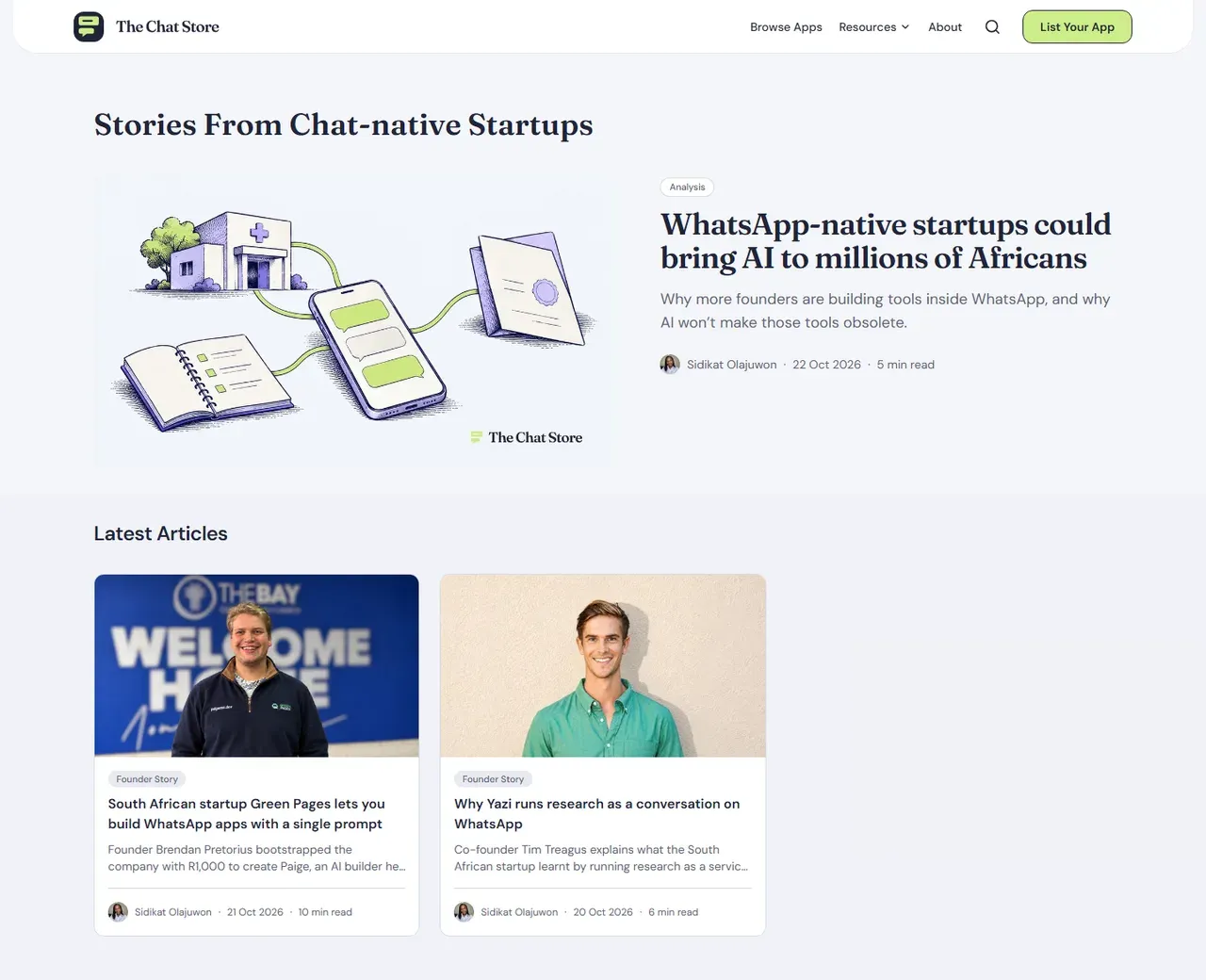
But I'd rather publish something that adds to what's known about these founders and their products than repackage the same information already available elsewhere.
I also have a hypothesis that original information could make The Chat Store a useful source for AI citations. That's something I intend to test as the publication grows.
Decision 05
Use AI to build, learn, and experiment.
I'm a product marketer, not a software engineer. But I wanted to be able to implement my ideas without needing anyone else in the mix.
I've used AI to help build the platform, develop features, work through technical problems, and learn the tools I needed along the way.
The brand was an experiment of its own. Everyone was talking about how good ChatGPT Astra was at brand design, so I started with logos and developed the identity one asset at a time, into a brand system covering logos, typography, colors, and illustrations.
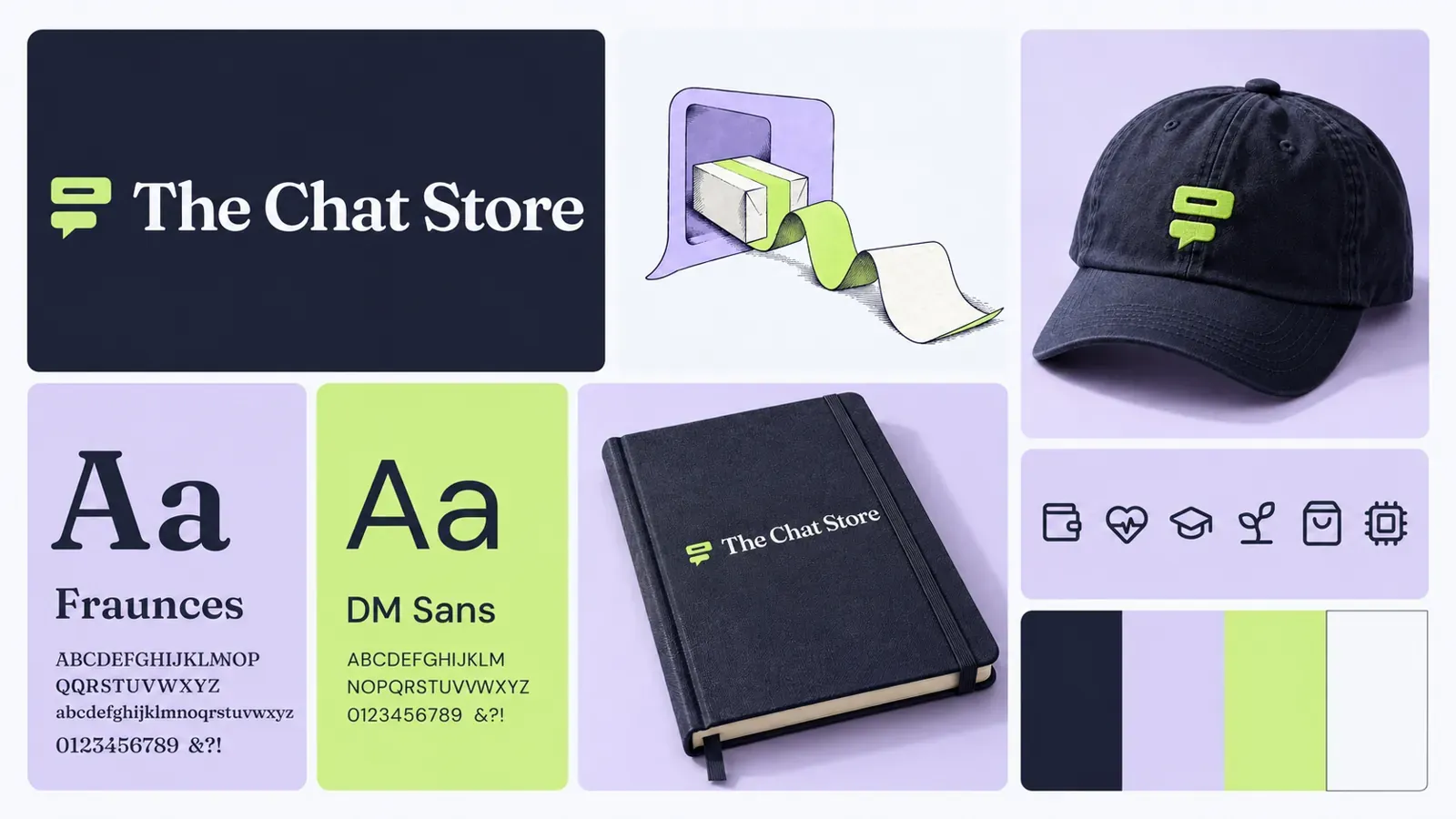
P.S. This is a solo passion project with no team or budget. AI has made it possible for me to experiment with things I wouldn't otherwise have had the resources to do. That doesn't mean I don't see the value in hiring actual designers and other specialists when the resources are available.
Where it is now
The Chat Store has evolved from a basic product directory into a directory and editorial platform focused on chat-native products and the founders building them.
Next, I want to understand how people respond to the expanded experience: whether founders find the information useful, participate in the publication, and return to learn more about the category.
I'm still figuring things out, which is rather the point of the project.